

 English
  Español
  اللغة العربية
  Russian
  Português
  Français
  ภาษาไทย
Content
Introduction to Staplers in Surgery
Staplers are critical tools in modern surgical procedures, helping surgeons perform wound closures, tissue anastomoses, and more. While traditional staplers have been in use for decades, newer technologies like endoscopic staplers, including the endoscopic linear cutter stapler, have revolutionized minimally invasive surgeries. This article compares the benefits of endoscopic staplers with traditional staplers to help you understand their unique advantages and applications.
What Are Endoscopic Staplers?
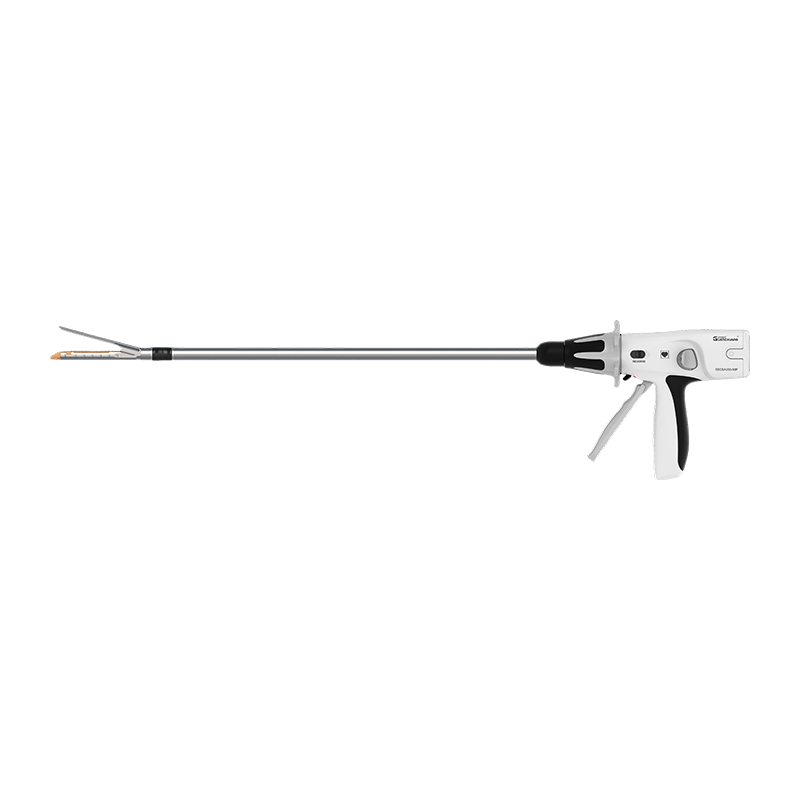
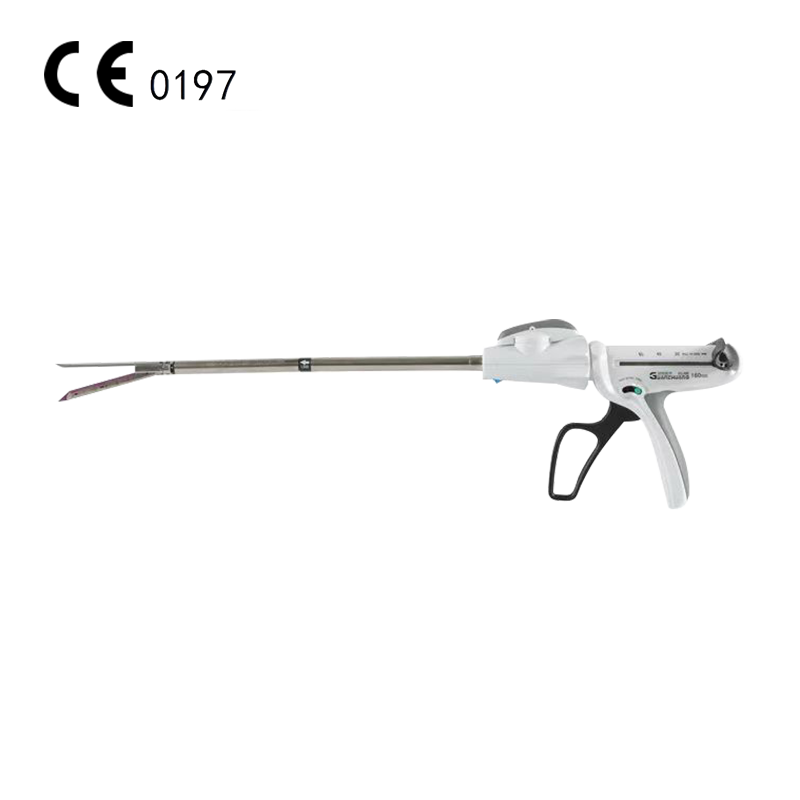
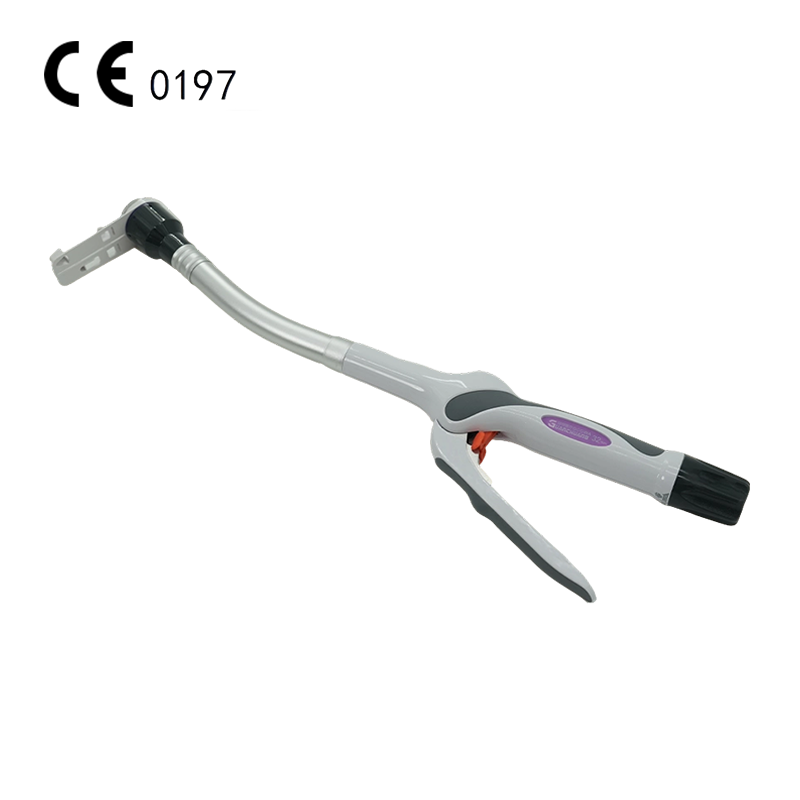
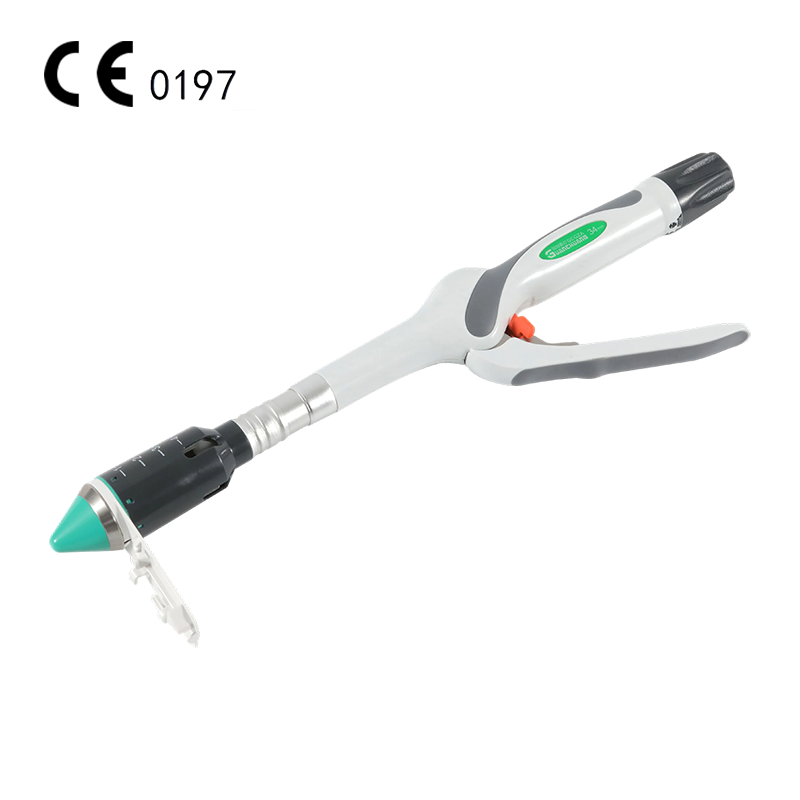
Endoscopic staplers are advanced surgical instruments designed for use in minimally invasive procedures. These staplers are often used with laparoscopic, robotic, or endoscopic surgery, where surgeons operate through small incisions using cameras and specialized tools. The primary purpose of these staplers is to close tissues or create anastomoses with high precision in hard-to-reach areas.
Benefits of Endoscopic Staplers
- Minimally invasive approach: Endoscopic staplers are designed for use in minimally invasive surgeries, allowing for small incisions and reduced trauma to the patient.
- Enhanced precision: These staplers are designed to operate with high precision, especially in areas that are difficult to reach, such as the gastrointestinal tract or deep tissue areas.
- Faster recovery: Due to smaller incisions, patients experience shorter recovery times and reduced post-operative pain compared to traditional open surgery.
- Reduced scarring: Smaller incisions result in less visible scarring, which is important for patient aesthetics and satisfaction.
What Are Traditional Staplers?
Traditional staplers, commonly referred to as linear staplers or open staplers, have been in use for years. These staplers are typically employed in open surgeries, where larger incisions are made to provide direct access to the surgical site. Despite the rise of minimally invasive techniques, traditional staplers remain an essential tool in surgery.
Benefits of Traditional Staplers
- Proven reliability: Traditional staplers have a long history of use in various surgical procedures, with a strong track record of effectiveness and safety.
- Versatility: These staplers are suitable for a wide range of surgical procedures, from gastrointestinal surgery to thoracic operations.
- Cost-effectiveness: Traditional staplers are typically more affordable than their endoscopic counterparts, making them an economical choice for certain surgeries.
- Greater flexibility: With open access to the surgical area, surgeons have more flexibility to maneuver and use traditional staplers effectively in complex surgeries.
Endoscopic Linear Cutter Staplers: A Specialized Tool
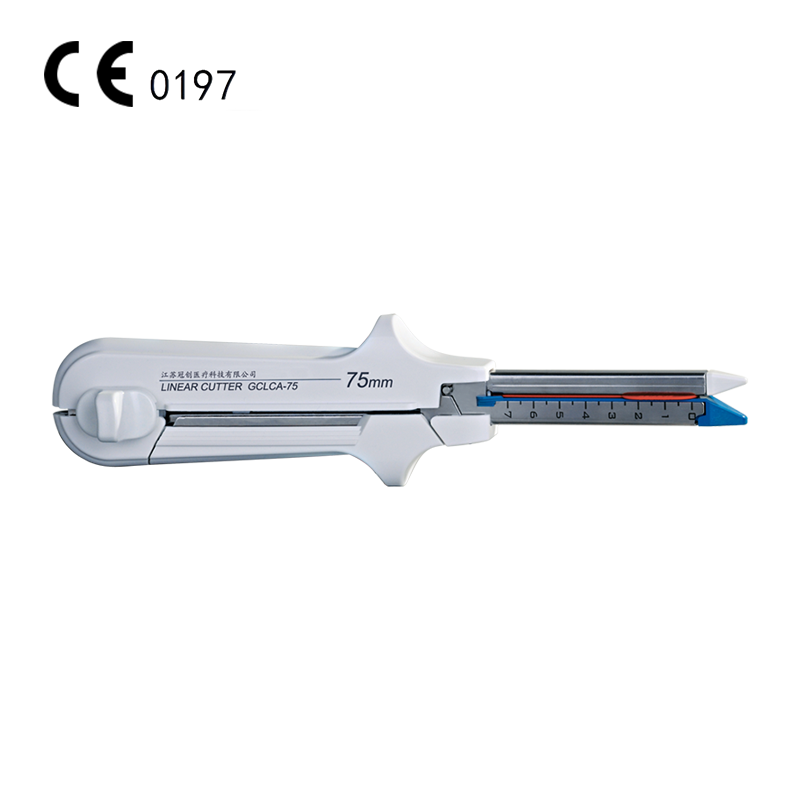
Among the various types of endoscopic staplers, the endoscopic linear cutter stapler is a specialized tool designed for use in both cutting and stapling tissues. This type of stapler is commonly used in laparoscopic and robotic surgeries for procedures that require the cutting and sealing of tissues, such as bowel resections or the creation of anastomoses in gastrointestinal surgeries.
Benefits of Endoscopic Linear Cutter Staplers
- Dual function: Endoscopic linear cutter staplers can cut and staple tissues in a single action, improving efficiency and reducing operation time.
- Improved anastomosis: These staplers offer superior tissue approximation, which is crucial for creating strong and reliable anastomoses in gastrointestinal and other surgeries.
- Enhanced safety: The precision of the endoscopic linear cutter stapler reduces the risk of tissue damage and minimizes complications such as bleeding.
- Minimal scarring: As with other endoscopic tools, these staplers require smaller incisions, which translates to less scarring and quicker recovery for patients.
Key Differences Between Endoscopic and Traditional Staplers
Both endoscopic staplers and traditional staplers serve similar purposes but differ significantly in their design, applications, and outcomes. Here is a comparison of their main differences:
| Feature | Endoscopic Staplers | Traditional Staplers |
| Surgical Approach | Minimally invasive (laparoscopic, robotic surgery) | Open surgery (large incisions) |
| Functionality | Precision, small incisions, suitable for complex areas | Versatile, used in a wide range of surgeries |
| Recovery Time | Shorter recovery, less pain | Longer recovery, more pain |
| Cost | Higher cost | Lower cost |
Conclusion: Choosing the Right Stapler for Your Surgery
Both endoscopic staplers and traditional staplers offer unique advantages depending on the nature of the surgery. For minimally invasive surgeries, endoscopic staplers, including the endoscopic linear cutter stapler, are the preferred choice due to their precision, reduced recovery times, and minimal scarring. However, traditional staplers remain an excellent choice for open surgeries, offering reliability and cost-effectiveness in complex cases.
Ultimately, the decision between endoscopic and traditional staplers depends on the specific surgical procedure, the surgeon’s expertise, and the patient’s needs. As surgical technologies continue to advance, endoscopic staplers will likely become the standard for many procedures, providing patients with faster recovery and improved surgical outcomes.