

 English
  Español
  اللغة العربية
  Russian
  Português
  Français
  ภาษาไทย
Content
Introduction to Disposable Wound Closure
Wound closure is a fundamental aspect of surgical procedures, and choosing the right method can significantly affect both the outcome and the patient's recovery time. Disposable wound closure devices, such as sutures, staples, and adhesive strips, are gaining popularity in hospitals around the world due to their ability to speed up procedures, reduce infection risks, and improve patient outcomes. This article delves into the reasons why more hospitals are adopting disposable wound closure methods for faster and more efficient surgical procedures.
What Are Disposable Wound Closure Devices?
Disposable wound closure devices are designed for single-use and are used to close surgical incisions or wounds after a procedure. These devices include sutures, staplers, adhesive strips, and other closure systems that are meant to be discarded after use, ensuring sterility and reducing the risk of cross-contamination. Unlike reusable devices that require cleaning, sterilization, and reprocessing, disposable wound closure devices offer a more convenient and reliable option for wound closure.
Types of Disposable Wound Closure Devices
- Disposable sutures: These are the most common wound closure devices, made from various materials such as absorbable or non-absorbable threads, used for stitching up surgical incisions.
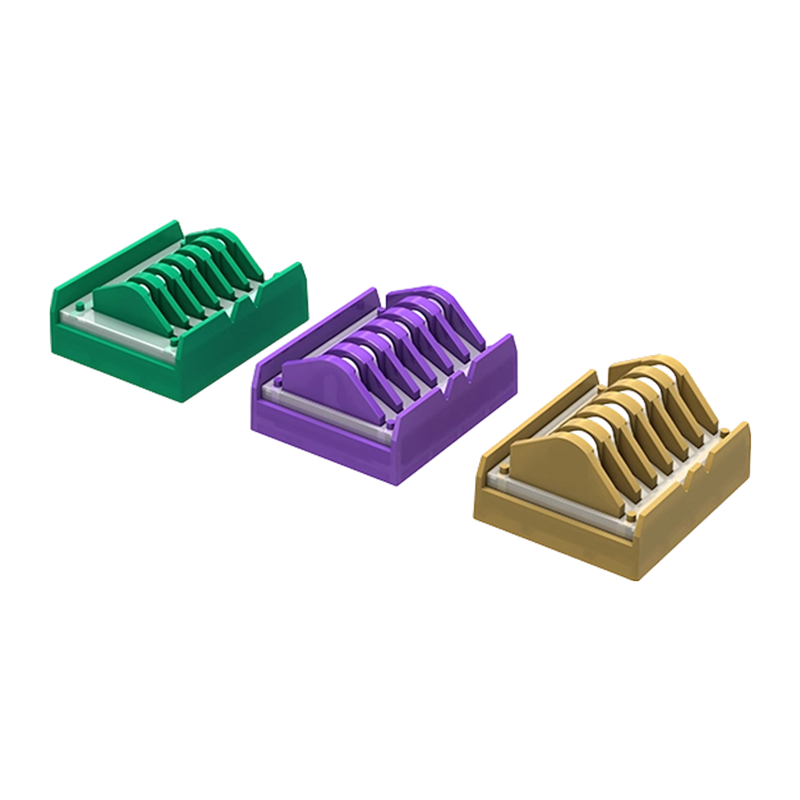
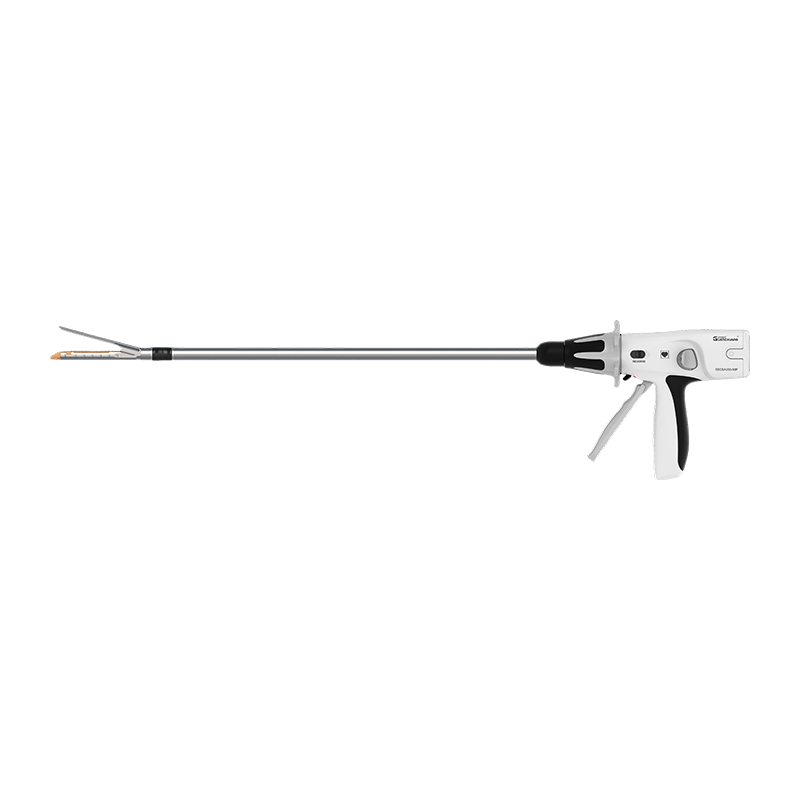
- Disposable staples: Surgical staples are used to close larger incisions, offering a faster and more secure closure than sutures in some cases.
- Adhesive strips: These strips, also known as steri-strips, are a quick, non-invasive way to close smaller incisions or superficial wounds without the need for sutures or staples.
- Surgical glues: For certain types of wounds, surgical adhesive glues are used to bond tissues together, offering a painless and rapid solution for wound closure.
Why Hospitals Are Adopting Disposable Wound Closure Devices
The increasing adoption of disposable wound closure devices is a direct response to the need for more efficient, hygienic, and cost-effective solutions in the operating room. Several factors contribute to the growing trend of using disposable devices in wound closure:
1. Speed and Efficiency in Surgical Procedures
One of the most significant advantages of disposable wound closure devices is the speed with which they can be applied. For example, using disposable staples or adhesive strips can save time compared to traditional suturing methods. In time-sensitive surgeries, every minute counts, and these devices offer a faster closure method, allowing surgeons to move on to the next step of the procedure more quickly. This efficiency can also help reduce the length of surgery, which can be particularly beneficial for patients in critical conditions.
2. Reduced Risk of Cross-Contamination
Disposable wound closure devices are single-use only, reducing the chances of cross-contamination between patients. Reusable wound closure tools, such as suturing kits or staplers, need to be sterilized after each use. Even with the best sterilization practices, there is always the possibility of contamination. Disposable devices eliminate this risk by being used once and then discarded, ensuring that the patient is not exposed to any potential pathogens from previous procedures.
3. Enhanced Sterility and Safety
Disposable wound closure devices are typically packaged in sterile packaging, ensuring that they remain uncontaminated until the moment they are used. In contrast, reusable devices require cleaning and sterilization, which, if not performed correctly, can result in contamination. The inherent sterility of disposable wound closure devices reduces the risk of postoperative infections, contributing to improved patient safety and faster recovery times.
4. Cost-Effectiveness in the Long Term
Although disposable wound closure devices may have a higher upfront cost than reusable devices, they can be more cost-effective in the long run. This is because disposable devices eliminate the need for sterilization equipment, labor, and the associated costs of maintaining reusable tools. Additionally, the reduction in infection rates and the potential for shorter hospital stays due to faster recovery can lead to overall savings for hospitals.
The Impact on Patient Recovery
The use of disposable wound closure devices can have a significant impact on patient recovery. When wounds are closed quickly and effectively, it minimizes the risk of complications such as infection, delayed healing, or scarring. The use of disposable sutures or staples can also help reduce the amount of time patients spend under anesthesia, which is particularly important in surgeries that require long recovery times.
1. Faster Healing Times
Wounds closed with disposable devices tend to heal more quickly due to the precise and secure closure they provide. For example, adhesive strips and surgical glues create a strong bond that holds the tissue together without causing further trauma. This faster healing process contributes to improved patient satisfaction and quicker discharge from the hospital, allowing patients to return to their normal lives sooner.
2. Reduced Risk of Infection
Infection is one of the leading causes of complications in surgical recovery. Disposable wound closure devices, being sterile and used once, minimize the risk of infection that can occur when tools are reused or inadequately sterilized. By reducing the potential for postoperative infections, disposable wound closure systems contribute to improved surgical outcomes and faster recoveries.
Challenges of Using Disposable Wound Closure Devices
While disposable wound closure devices offer many benefits, there are some challenges to consider. One of the primary concerns is the environmental impact of single-use items, which contribute to the growing problem of medical waste. Hospitals are increasingly exploring ways to reduce their environmental footprint, such as by adopting recyclable or biodegradable options. Additionally, the higher cost of disposable devices may be a limiting factor for some healthcare facilities, particularly those with budget constraints.
Conclusion: The Future of Disposable Wound Closure
Disposable wound closure devices are rapidly gaining popularity in hospitals worldwide for their ability to streamline surgical procedures, reduce infection risks, and improve patient outcomes. Their speed, convenience, and safety make them an invaluable tool in modern healthcare, although challenges such as environmental impact remain. As technology advances and hospitals continue to seek more sustainable solutions, the adoption of disposable wound closure devices is likely to increase, further enhancing the efficiency and quality of surgical care.