


 English
  Español
  اللغة العربية
  Russian
  Português
  Français
  ภาษาไทย
Industry News
Laparoscopic Instruments: A Comprehensive Introduction for Healthcare Professionals
Content
- 1 Understanding Laparoscopic Surgery and Its Instrumentation
- 2 Essential Categories of Laparoscopic Instruments
- 3 Specialized Instruments for Specific Procedures
- 4 Instrument Materials and Construction Quality
- 5 Reusable Versus Single-Use Instruments
- 6 Procurement Considerations for Healthcare Facilities
- 7 Maintenance and Lifecycle Management
- 8 Training and Competency Development
Understanding Laparoscopic Surgery and Its Instrumentation
Laparoscopic surgery has transformed modern surgical practice by enabling complex procedures through small incisions, typically measuring between five and twelve millimeters. This minimally invasive approach reduces patient trauma, shortens hospital stays, and accelerates recovery times compared to traditional open surgery. The success of laparoscopic procedures depends heavily on the specialized instruments designed to operate within the constraints of small access ports while maintaining surgical precision and control.
Healthcare professionals must understand the diverse range of laparoscopic instruments available, their specific applications, and proper handling techniques to ensure optimal patient outcomes. This comprehensive guide explores the essential categories of laparoscopic instruments, their design features, clinical applications, and considerations for procurement and maintenance in healthcare settings.
Essential Categories of Laparoscopic Instruments
Access and Visualization Equipment
The foundation of any laparoscopic procedure begins with establishing access and visualization. Trocars serve as the primary access devices, creating and maintaining ports through which instruments enter the abdominal cavity. Modern trocars feature safety mechanisms such as bladeless designs, optical entry systems, and spring-loaded shields to minimize the risk of visceral or vascular injury during insertion. These devices come in various diameters, typically ranging from three to twelve millimeters, to accommodate different instrument sizes.
Laparoscopes are sophisticated optical instruments that provide surgeons with magnified, high-definition views of the surgical field. Contemporary laparoscopes incorporate advanced imaging technologies including 4K resolution, three-dimensional visualization, and specialized filters for fluorescence imaging. The optical angle varies between zero degrees for forward viewing and thirty degrees or more for angled visualization, allowing surgeons to inspect anatomical structures from multiple perspectives without repositioning trocars.
Grasping and Manipulating Instruments
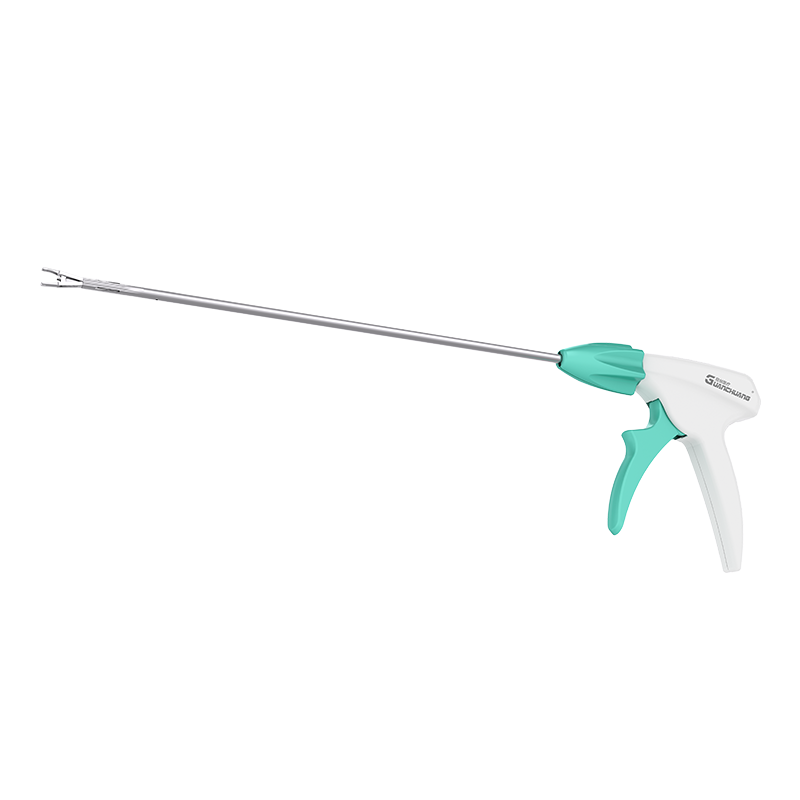
Laparoscopic graspers represent one of the most frequently used instrument categories during minimally invasive procedures. These instruments feature various jaw designs optimized for different tissue types and surgical tasks. Atraumatic graspers with smooth or fenestrated jaws are used for delicate tissue manipulation, while traumatic graspers with teeth provide secure grip on tougher structures like fascia or dense adhesions. The instrument shafts typically measure between thirty-three and forty-five centimeters in length, with articulating or rotating handles that enhance maneuverability within the surgical field.
Dissectors and retractors enable tissue separation and organ retraction during laparoscopic surgery. Fan retractors provide broad surface area for liver retraction during upper abdominal procedures, while specialized dissectors with angled or curved tips facilitate tissue plane development in confined anatomical spaces. Many modern dissecting instruments incorporate monopolar or bipolar electrosurgical capabilities, allowing simultaneous dissection and hemostasis.
Cutting and Coagulation Devices
Laparoscopic scissors come in various configurations including curved, straight, or hooked blade designs. Electrosurgical scissors integrate cutting blades with monopolar or bipolar energy delivery, enabling surgeons to divide tissues while controlling bleeding. The choice between scissor types depends on the specific anatomical location and tissue characteristics encountered during surgery.
Advanced energy devices have revolutionized laparoscopic surgery by combining tissue division and vessel sealing capabilities. Ultrasonic shears use high-frequency mechanical vibrations to denature proteins and seal vessels up to seven millimeters in diameter, producing minimal thermal spread to surrounding tissues. Bipolar vessel sealing devices apply controlled electrical energy and pressure to permanently fuse vessel walls, reliably sealing arteries and veins. These devices significantly reduce operative time and blood loss compared to traditional clipping and cutting techniques.
Specialized Instruments for Specific Procedures
Different surgical specialties have developed specialized laparoscopic instruments tailored to their unique procedural requirements. Bariatric surgery utilizes extra-long instruments, typically forty-five centimeters or longer, to accommodate increased abdominal wall thickness in obese patients. Laparoscopic staplers with various cartridge lengths and staple heights enable safe creation of gastric pouches and intestinal anastomoses.
Gynecological laparoscopy employs specialized instruments including uterine manipulators for optimizing pelvic visualization, morcellators for tissue extraction, and bipolar graspers designed for ovarian and tubal procedures. Urological laparoscopy requires instruments with specific angulations and lengths for kidney and prostate surgery, while pediatric laparoscopy demands miniaturized three-millimeter instruments suitable for neonatal and infant anatomy.
Instrument Materials and Construction Quality
The manufacturing quality of laparoscopic instruments directly impacts their performance, durability, and safety. Premium instruments are fabricated from medical-grade stainless steel alloys, specifically 300 series stainless steel or proprietary formulations that resist corrosion while maintaining strength through repeated sterilization cycles. Titanium alloys offer superior strength-to-weight ratios and are commonly used in instruments requiring enhanced rigidity without increased bulk.
Instrument insulation quality is critical for electrosurgical devices. High-quality instruments feature multiple layers of insulation tested to withstand voltages well above normal operating parameters. Insulation failures can result in inadvertent electrical burns to tissues outside the surgical field, making regular inspection and testing essential components of instrument maintenance programs.
| Material Type | Advantages | Common Applications |
| Stainless Steel | Corrosion resistance, durability, cost-effective | Graspers, scissors, general instruments |
| Titanium Alloy | Lightweight, high strength, biocompatible | Specialty instruments, long shafts |
| Tungsten Carbide | Extremely hard, maintains sharp edges | Needle holders, scissor inserts |
| Ceramic Coating | Enhanced durability, reduced friction | Jaw surfaces, rotating mechanisms |
Reusable Versus Single-Use Instruments
Healthcare institutions face important decisions regarding the adoption of reusable or single-use laparoscopic instruments. Reusable instruments represent significant capital investments but offer long-term cost advantages when properly maintained. These instruments require comprehensive reprocessing protocols including manual cleaning, automated washing, inspection, function testing, and sterilization. Dedicated sterile processing personnel must be trained to recognize signs of wear, damage, or functional degradation that necessitate instrument repair or replacement.
Single-use laparoscopic instruments eliminate reprocessing requirements and guarantee consistent sharpness and functionality for each procedure. These devices address concerns about prion transmission, particularly relevant in neurosurgical applications, and reduce the risk of patient-to-patient infection transmission. However, single-use instruments generate increased medical waste and typically involve higher per-procedure costs. Many facilities implement hybrid approaches, using reusable instruments for basic tools while employing single-use devices for complex energy-based instruments or specialized applications.
Procurement Considerations for Healthcare Facilities
Selecting appropriate laparoscopic instruments requires careful evaluation of multiple factors beyond initial purchase price. Healthcare administrators and surgical directors should consider the following elements when establishing or expanding laparoscopic instrument inventory:
- Surgical volume and case mix to determine appropriate instrument quantities and specialty configurations
- Manufacturer reputation, warranty terms, and availability of repair services
- Compatibility with existing equipment platforms, particularly for energy-based devices requiring specific generators
- Surgeon preferences balanced against standardization benefits and cost containment objectives
- Total cost of ownership including purchase price, maintenance expenses, and reprocessing costs
- Availability of instrument trials allowing surgeons to evaluate performance before commitment
Maintenance and Lifecycle Management
Proper maintenance extends instrument lifespan and ensures consistent performance throughout the device lifecycle. Immediate post-operative care is crucial, with instruments requiring prompt rinsing to prevent blood and tissue desiccation on working surfaces. Enzymatic pre-soaking solutions help dissolve organic debris before mechanical cleaning.
Regular inspection protocols should assess multiple parameters including jaw alignment, ratchet function, shaft straightness, insulation integrity, and overall cosmetic condition. Instrument tracking systems enable monitoring of utilization patterns, identifying high-wear devices requiring more frequent inspection or earlier replacement. Preventive maintenance programs, including periodic lubrication of moving parts and professional sharpening of cutting edges, significantly extend useful instrument life.
Training and Competency Development
Effective utilization of laparoscopic instruments requires specialized training distinct from open surgical techniques. Surgeons must develop proficiency in operating with reduced tactile feedback, adapting to two-dimensional visualization while performing three-dimensional tasks, and managing the fulcrum effect created by instruments pivoting at trocar insertion sites.
Structured training programs incorporate simulation-based learning using box trainers or virtual reality simulators that allow practice of fundamental laparoscopic skills including camera navigation, instrument positioning, cutting, and suturing. Progressive competency assessment ensures surgeons achieve appropriate skill levels before performing laparoscopic procedures independently. Operating room staff also require training in proper instrument handling, preparation, and troubleshooting to support efficient surgical workflows.
As laparoscopic surgery continues evolving with technological innovations including robotic assistance, enhanced imaging modalities, and artificial intelligence integration, healthcare professionals must maintain current knowledge of instrument capabilities and best practices. Comprehensive understanding of laparoscopic instrumentation empowers surgical teams to deliver safe, effective minimally invasive care that optimizes patient outcomes while managing healthcare resources responsibly.


- Quick Links
- About Us
- Quality
- Service
- News
- Contact us
- Our Product
- Disposable Endoscopic Laparoscopic Instruments
- Disposable Wound Closure
- Thoracic Surgery Instruments
- Electrosurgery Instruments
- Open Surgical Instruments
- Urinary Anorectal Surgery Instruments
- Gastroenterology Surgical Instruments
- Medical Auxiliary Equipment
- Blood Preparation Device
- Contact us
- Tel:+86-519-69878833
- Phone:+86-13584319056
- E-mail:[email protected]
- Address:Building 2D, 2C and 3C, Wujin Sci-tech Pioneer Park, No. 256 Middle Mingxin Road, Hutang Town, Wujin District, Changzhou, 213164 Jiangsu P.R. China

