


 English
  Español
  اللغة العربية
  Russian
  Português
  Français
  ภาษาไทย
Industry News
Why Surgeons Are Switching to Disposable Circular Staplers for Anorectal Surgery?
Content
- 1 What Are Urinary Anorectal Surgery Instruments?
- 2 Key Advantages of Urological and Anorectal Surgical Instruments
- 3 Understanding Disposable Circular Staplers
- 4 How Disposable Circular Staplers Work
- 5 Clinical Applications in Anorectal and Urological Surgery
- 6 Why the Disposable Design Matters Clinically
- 7 Selecting the Right Circular Stapler: Key Considerations
- 8 The Future of Anorectal and Urological Surgical Instrumentation
What Are Urinary Anorectal Surgery Instruments?
Urinary anorectal surgery instruments are a specialized category of surgical tools engineered for use in urological, anorectal, and colorectal procedures. These devices are designed to meet the unique anatomical and physiological demands of the urinary tract, anal canal, and rectal region — areas where precision, minimal invasiveness, and sterile technique are absolutely critical. From retractors and speculums to staplers and tissue-cutting instruments, this family of tools directly impacts surgical efficiency and patient safety. Unlike general surgical instruments, urinary anorectal surgery instruments are purpose-built to navigate confined anatomical spaces, handle delicate mucosal tissue, and support minimally invasive approaches. Their design evolution over recent decades has enabled surgeons to perform complex reconstructive and resective procedures with greater confidence and reproducibility than ever before.
Key Advantages of Urological and Anorectal Surgical Instruments
The advantages of urological and anorectal surgical instruments primarily lie in improving surgical precision, enhancing patient outcomes, and reducing the risk of complications. These benefits are not incidental — they are the direct result of thoughtful engineering tailored to specific clinical needs. Below are the primary advantages that define the value of these instruments in modern surgical practice:
- Enhanced Surgical Precision: Instruments designed specifically for anorectal and urological anatomy allow surgeons to access and operate on structures that would be difficult or impossible to reach safely with general tools. Precision reduces collateral tissue damage and supports better functional outcomes post-surgery.
- Reduced Risk of Complications: Dedicated instruments minimize the likelihood of iatrogenic injury to adjacent organs, nerves, and blood vessels. In procedures involving the bladder, urethra, rectum, or anal sphincter, even minor trauma can lead to serious complications such as incontinence or fistula formation.
- Improved Patient Outcomes: Faster, more accurate procedures translate directly to shorter operative times, reduced blood loss, lower infection rates, and quicker recovery. Patients benefit from shorter hospital stays and faster returns to normal activity.
- Support for Minimally Invasive Techniques: Many modern urinary anorectal surgery instruments are compatible with laparoscopic or endoscopic approaches, enabling surgeons to perform complex interventions through small incisions with less postoperative pain and scarring.
- Standardization of Procedures: Instrument design standardization ensures reproducible technique across different surgeons and institutions, which is critical for training, quality assurance, and outcomes benchmarking.
Understanding Disposable Circular Staplers
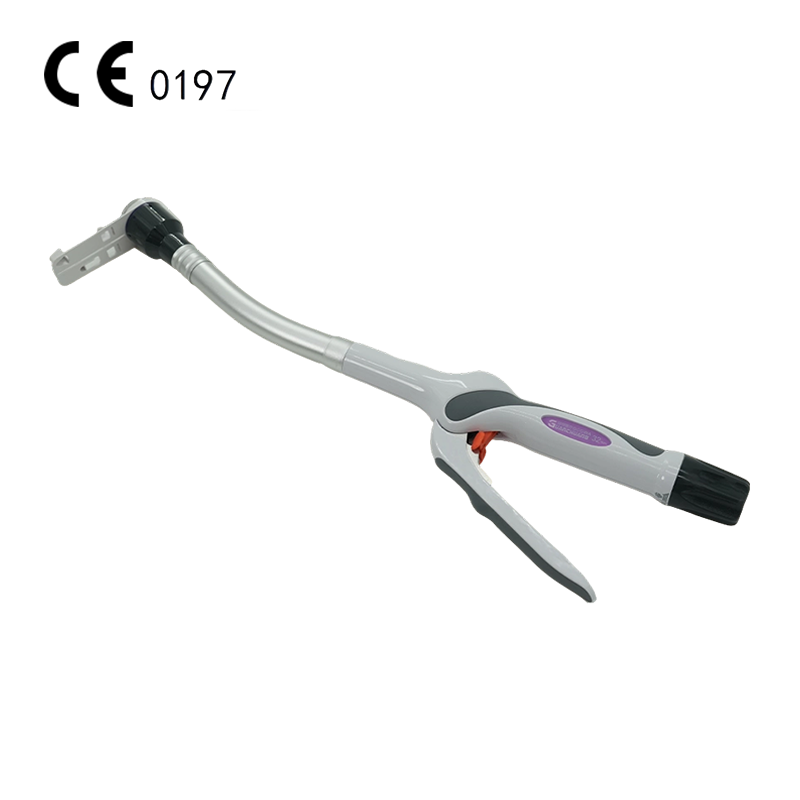
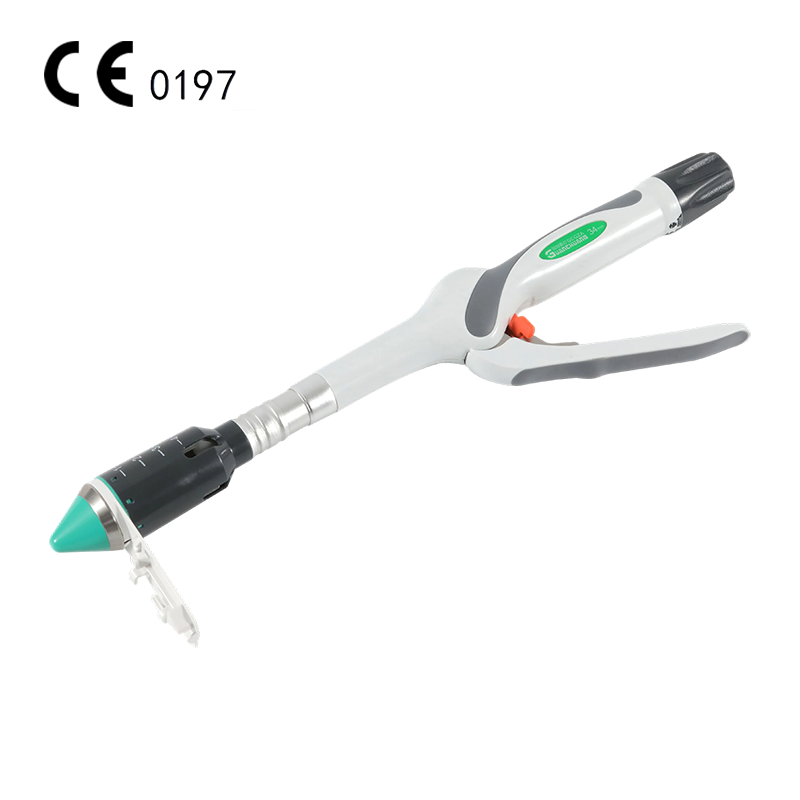
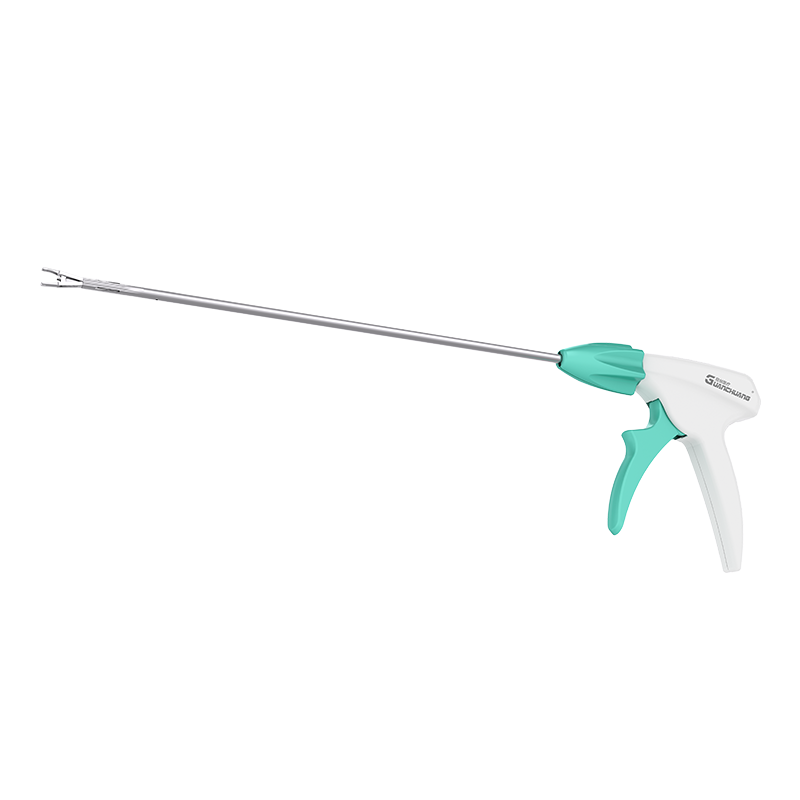
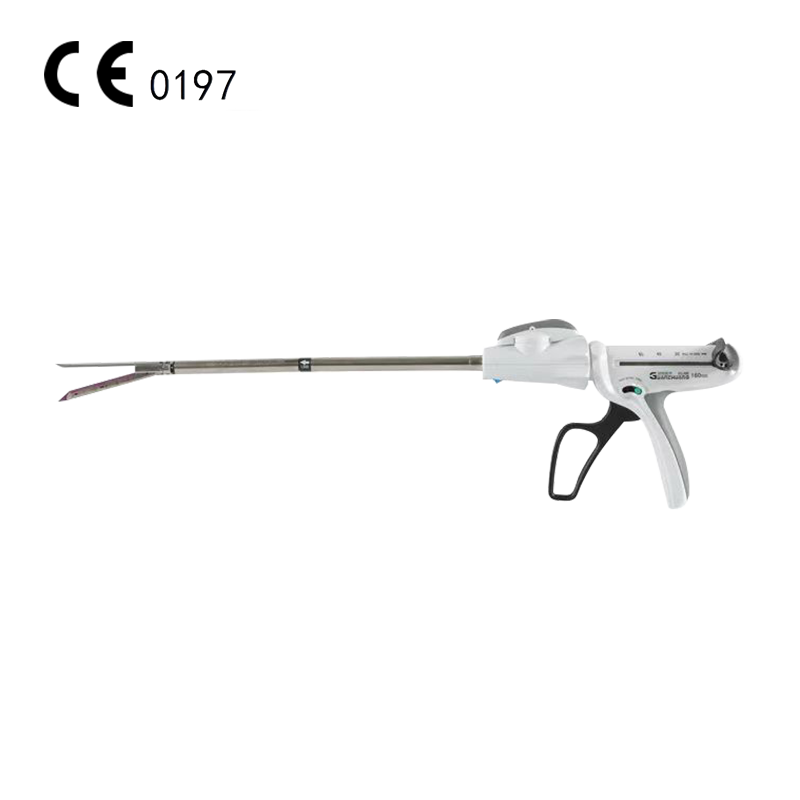
Among the most significant innovations within the broader category of urinary anorectal surgery instruments is the disposable circular stapler. This disposable tubular digestive tract stapler delivers two rows of staggered, circular staples to the tissue and uses a circular knife to sever the internal tissue, making it an indispensable tool in colorectal and anorectal surgery. The device easily completes the suturing of tubular organs — including the rectum, colon, and esophagus — with a mechanically consistent anastomosis that would be technically challenging to replicate with manual suturing, especially in deep pelvic spaces.
The disposable design of these staplers is a deliberate clinical and infection-control decision. Single-use instruments eliminate the risk of cross-contamination between patients, remove the need for complex reprocessing and sterilization protocols, and ensure that every procedure begins with a factory-calibrated, fully functional device. This consistency is critical in high-stakes anastomotic procedures where device malfunction can have serious consequences.
How Disposable Circular Staplers Work
The mechanism of a disposable circular stapler is both elegant and highly effective. Understanding its function helps clinicians appreciate why it has become a standard tool in anorectal and colorectal surgery.
Step-by-Step Mechanism
- Purse-string suture placement: The surgeon places a purse-string suture at the proximal and distal ends of the bowel segments to be joined. These sutures will secure the tissue around the stapler's anvil and cartridge.
- Anvil insertion and positioning: The anvil is inserted into one bowel end and the purse-string suture is tied around the anvil shaft. The stapler body is introduced transanally (in rectal procedures) and the central rod is advanced to connect with the anvil.
- Tissue approximation: The surgeon closes the gap between the anvil and cartridge, drawing the two tissue edges together under controlled compression without crushing.
- Firing the stapler: Upon firing, the device simultaneously deploys two staggered rows of circular staples through both tissue layers and fires a circular knife that excises the redundant inner tissue — creating a clean, patent anastomosis in a single coordinated motion.
- Doughnut verification: After withdrawal, the surgeon inspects the two tissue "doughnuts" cut by the circular knife to confirm complete, full-thickness resection, a key quality check that helps assess anastomotic integrity.
Clinical Applications in Anorectal and Urological Surgery
Disposable Circular Staplers and the broader family of urinary anorectal surgery instruments serve a wide range of clinical indications. The following table summarizes the most common surgical procedures and their associated instrument applications:
| Procedure | Primary Instrument Used | Clinical Goal |
| Low Anterior Resection (LAR) | Disposable Circular Stapler | Colorectal anastomosis after rectal tumor excision |
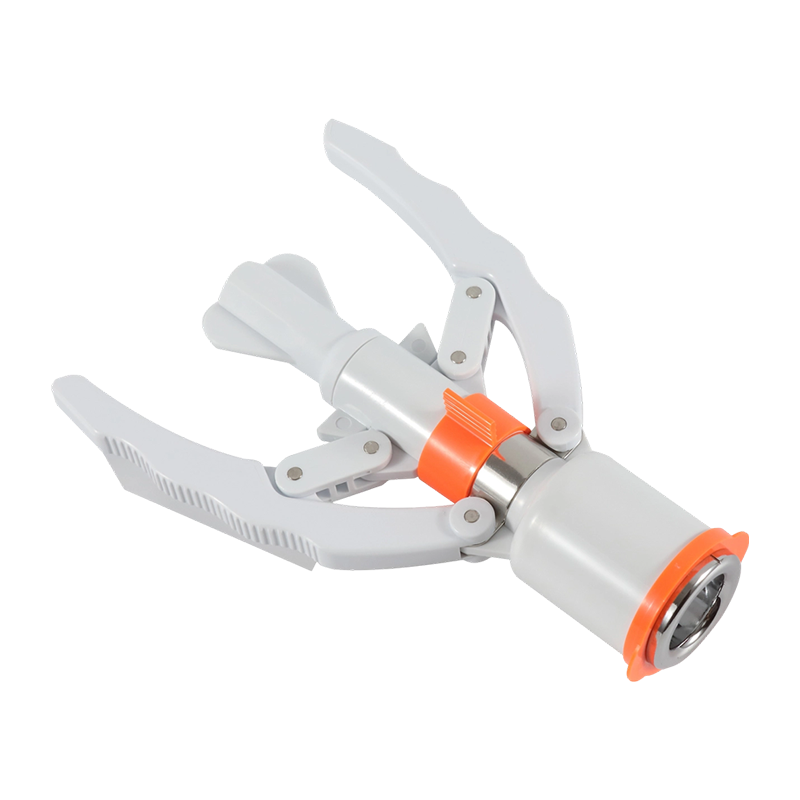
| Hemorrhoidopexy (PPH) | Circular Stapler | Prolapsed hemorrhoid reduction and mucosal fixation |
| Esophagogastric Anastomosis | Disposable Circular Stapler | Reconnection of digestive tract after esophageal surgery |
| Ileoanal Pouch Anastomosis | Circular Stapler | Bowel continuity restoration after colectomy |
| Urinary Diversion Procedures | Urological Anorectal Instruments | Bladder reconstruction or urostomy creation |
Why the Disposable Design Matters Clinically
The shift toward disposable circular staplers reflects broader trends in surgical instrument design — prioritizing patient safety, operational simplicity, and consistent device performance. Reusable staplers require meticulous cleaning, disassembly, inspection, resterilization, and mechanical testing between uses. Each reprocessing cycle carries a residual risk of incomplete sterilization or undetected mechanical wear. Disposable Circular Staplers eliminate these failure points entirely. Every device used in the operating room is sterile at the point of use, mechanically verified at the factory, and discarded after a single application.
From an institutional perspective, disposable instruments also streamline sterile processing workflows, reduce costs associated with instrument maintenance and quality auditing, and simplify surgical kit preparation. Hospitals managing high surgical volumes particularly benefit from the predictability and standardization that disposable urinary anorectal surgery instruments provide.
Selecting the Right Circular Stapler: Key Considerations
Not all disposable circular staplers are interchangeable. Surgeons and procurement teams should evaluate several critical parameters when selecting the appropriate device for a specific procedure:
- Stapler Diameter: Circular staplers are available in a range of diameters (typically 21 mm to 33 mm) to match the luminal size of the target organ. Selecting the correct diameter is essential to prevent stenosis or tissue over-compression.
- Staple Height and Tissue Compression: Staple height should be matched to tissue thickness. Thin, well-vascularized mucosa requires a different staple height than thick, edematous, or previously irradiated bowel.
- Ergonomics and Handle Design: A well-designed handle allows the surgeon to apply consistent firing force with minimal hand fatigue, particularly important in laparoscopic or transanal approaches with limited workspace.
- Indicator Windows and Safety Mechanisms: Quality disposable circular staplers incorporate visual indicators to confirm proper tissue capture before firing, reducing the risk of misfires or incomplete staple formation.
- Regulatory Compliance: Devices should carry appropriate regulatory certification (such as CE marking or FDA clearance) to ensure they meet established safety and performance standards for clinical use.
The Future of Anorectal and Urological Surgical Instrumentation
Innovation in urinary anorectal surgery instruments continues at a rapid pace. Emerging technologies include powered circular staplers with electronic feedback systems that monitor tissue compression and staple formation in real time, as well as intelligent stapling platforms that can automatically adjust staple height based on tissue thickness measurements. Robotic-assisted platforms are also driving demand for instruments with finer articulation and greater reach within confined pelvic spaces. As these technologies mature, the integration of disposable circular staplers with digital surgical platforms is expected to further enhance anastomotic safety and reduce the incidence of postoperative leaks — one of the most feared complications in colorectal surgery. The foundational advantages of urinary anorectal surgery instruments — precision, safety, and reproducibility — remain constant, even as the specific technologies delivering those advantages continue to advance.

- Quick Links
- About Us
- Quality
- Service
- News
- Contact us
- Our Product
- Disposable Endoscopic Laparoscopic Instruments
- Disposable Wound Closure
- Thoracic Surgery Instruments
- Electrosurgery Instruments
- Open Surgical Instruments
- Urinary Anorectal Surgery Instruments
- Gastroenterology Surgical Instruments
- Medical Auxiliary Equipment
- Blood Preparation Device
- Contact us
- Tel:+86-519-69878833
- Phone:+86-13584319056
- E-mail:[email protected]
- Address:Building 2D, 2C and 3C, Wujin Sci-tech Pioneer Park, No. 256 Middle Mingxin Road, Hutang Town, Wujin District, Changzhou, 213164 Jiangsu P.R. China

