


 English
  Español
  اللغة العربية
  Russian
  Português
  Français
  ภาษาไทย
Industry News
How Do Laparoscopic Instruments Support Enhanced Recovery After Surgery (ERAS) Protocols?
Content
- 1 The Connection Between Minimally Invasive Surgery and ERAS Goals
- 2 How Laparoscopic Instruments Minimize Surgical Trauma
- 3 Specific Laparoscopic Instruments and Their ERAS-Supporting Functions
- 4 Impact on Postoperative Pain Management Within ERAS Pathways
- 5 Laparoscopic Instruments and Gastrointestinal Recovery
- 6 ERAS Outcomes Comparison: Laparoscopic vs. Open Surgical Approaches
- 7 Instrument Quality, Maintenance, and ERAS Compliance
The Connection Between Minimally Invasive Surgery and ERAS Goals
Enhanced Recovery After Surgery (ERAS) protocols represent a multimodal, evidence-based approach to perioperative care designed to reduce surgical stress, accelerate functional recovery, and shorten hospital stays without compromising patient safety. At the center of any effective ERAS program is the surgical technique itself—and laparoscopic instruments have become indispensable tools in making ERAS outcomes achievable across a wide range of procedures. The minimally invasive approach enabled by modern laparoscopic instruments directly addresses many of the physiological stressors that ERAS protocols are designed to mitigate, creating a powerful synergy between instrument technology and recovery pathway design.
Traditional open surgery imposes significant physical trauma on the patient: large incisions, extensive tissue retraction, prolonged exposure of internal organs to ambient air, and substantial blood loss. Each of these factors triggers systemic inflammatory responses, increases postoperative pain, delays gastrointestinal recovery, and extends the period of immobility that drives complications such as deep vein thrombosis, pneumonia, and pressure injuries. Laparoscopic instruments, by enabling surgeons to operate through small port incisions using cameras and long-handled tools, fundamentally reduce the magnitude of this surgical insult—which is precisely what ERAS protocols require to function as intended.
How Laparoscopic Instruments Minimize Surgical Trauma
The physical design of laparoscopic instruments is engineered to accomplish complex surgical tasks through incisions typically measuring 5 to 12 millimeters in diameter. Trocars establish the access ports through which working instruments and the laparoscope are introduced into the insufflated abdominal cavity. Graspers, dissectors, scissors, clip appliers, staplers, and energy devices are all purpose-built with long, slender shafts that minimize the diameter of the body wall penetration while transmitting force and energy precisely to the operative site. The result is a dramatic reduction in incision length compared to open surgery—from a single large wound to multiple small port sites—which translates directly into less postoperative pain, reduced analgesic requirements, and faster wound healing.
Energy-based laparoscopic instruments deserve particular attention in the ERAS context. Advanced bipolar and ultrasonic devices such as vessel-sealing systems and harmonic scalpels allow surgeons to divide tissue and control bleeding simultaneously with minimal thermal spread to surrounding structures. This precision reduces intraoperative blood loss, decreases the need for transfusion, and limits the collateral tissue damage that contributes to postoperative inflammation and ileus. In colorectal, gynecological, and urological procedures where ERAS protocols are most extensively implemented, the availability of reliable energy instruments is a critical enabling factor for achieving the low-morbidity outcomes ERAS targets.
Specific Laparoscopic Instruments and Their ERAS-Supporting Functions
Understanding how individual instrument types contribute to ERAS outcomes helps surgical teams make informed decisions about instrument selection and technique optimization. The following instruments play particularly significant roles in ERAS-aligned laparoscopic surgery:
- High-definition laparoscopes and camera systems: Enhanced visualization reduces the risk of inadvertent organ injury, allowing surgeons to work more precisely and confidently. Reduced complication rates are a direct ERAS benefit, as complications are the single largest driver of prolonged hospital stays.
- Atraumatic graspers: Designed with blunt or padded jaws, these instruments handle bowel and delicate structures without causing serosal tears or crush injury, supporting faster return of gastrointestinal function—a core ERAS endpoint.
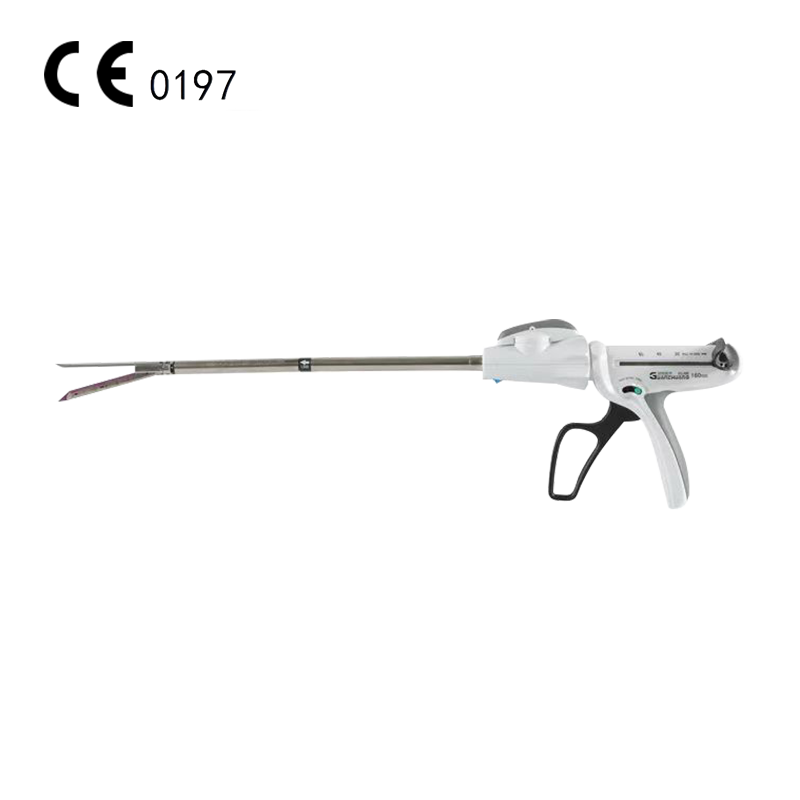
- Laparoscopic staplers: Enable secure, reproducible anastomoses and resections through minimal incisions, reducing operative time and blood loss in bowel and lung procedures where ERAS protocols are standard of care.
- Irrigation and suction devices: Effective intraoperative lavage removes blood and debris without requiring open access, maintaining a clear operative field and reducing the inflammatory burden of retained material in the peritoneal cavity.
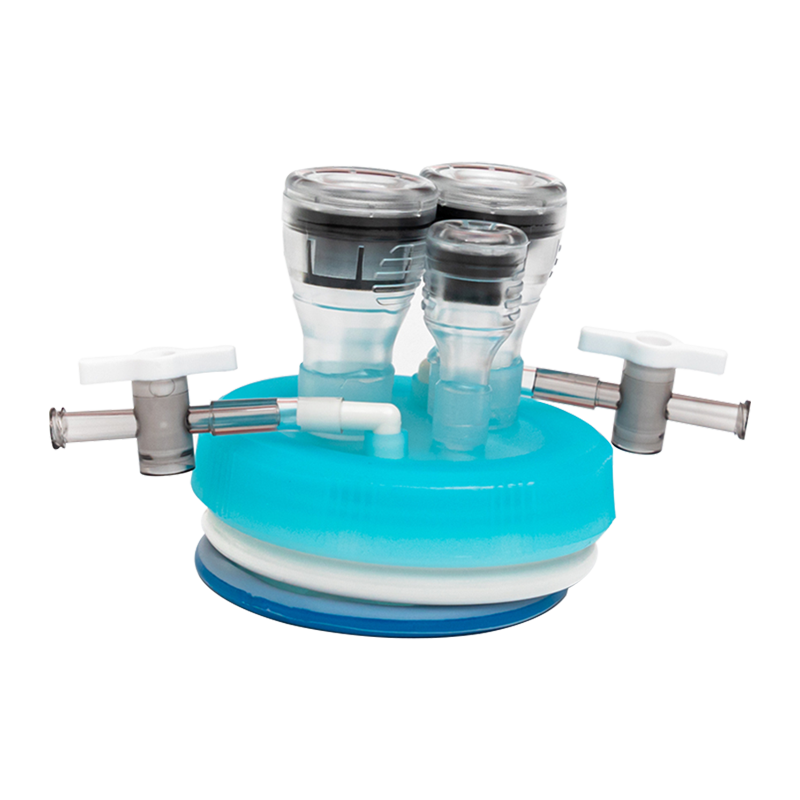
- Single-incision laparoscopic surgery (SILS) ports: In selected patients and procedures, these multi-channel access devices consolidate all instruments through a single umbilical incision, further reducing wound burden and improving cosmetic outcomes while maintaining ERAS-compatible operative performance.
Impact on Postoperative Pain Management Within ERAS Pathways
Pain management is one of the most critical components of any ERAS protocol, and laparoscopic instruments contribute to its success by reducing the baseline pain stimulus. ERAS pathways emphasize opioid-sparing multimodal analgesia—combining local anesthetic infiltration, non-steroidal anti-inflammatory drugs, acetaminophen, and regional nerve blocks to manage pain without the gastrointestinal and cognitive side effects of opioid medications. This strategy is far more achievable when the surgical wound is limited to a few small port sites rather than a large laparotomy incision.
Port site local anesthetic infiltration—injecting long-acting agents such as bupivacaine or liposomal bupivacaine into each trocar site at the end of the procedure—is a straightforward, low-cost intervention that significantly reduces early postoperative pain scores when laparoscopic instruments are used. In open surgery, achieving equivalent analgesia requires epidural catheter placement, which carries its own risks and delays. The smaller wound footprint of laparoscopic surgery thus expands the menu of safe and effective analgesic options available to the anesthesia team, making opioid minimization more practically achievable.
Reduced pain also accelerates the mobilization component of ERAS protocols. Patients who experience less discomfort are able to sit out of bed, walk, and perform deep breathing exercises earlier in the postoperative period. Early mobilization reduces the risk of venous thromboembolism, improves respiratory function, and stimulates gastrointestinal motility—all of which are measurable ERAS outcome metrics that benefit directly from the reduced pain burden made possible by laparoscopic instruments.
Laparoscopic Instruments and Gastrointestinal Recovery
Return of gastrointestinal function is one of the most clinically significant milestones in ERAS pathways for abdominal surgery. Postoperative ileus—the temporary paralysis of bowel motility following abdominal surgery—prolongs hospital stay, increases the risk of nausea and aspiration, and delays the resumption of oral nutrition that ERAS protocols prioritize. The use of laparoscopic instruments substantially reduces the incidence and duration of postoperative ileus through several interconnected mechanisms.
Less bowel manipulation is the primary factor. In open abdominal surgery, the bowel must be physically exteriorized, packed away from the operative field, and handled extensively throughout the procedure. This manipulation triggers an inflammatory response in the intestinal wall that inhibits peristaltic activity for days. Laparoscopic instruments allow surgeons to work around and through the bowel with far less direct contact, using atraumatic graspers and careful dissection planes that preserve intestinal wall integrity. The reduced inflammatory stimulus translates into earlier return of flatus and bowel movements—outcomes that are tracked explicitly in ERAS audits as indicators of pathway compliance and success.
ERAS Outcomes Comparison: Laparoscopic vs. Open Surgical Approaches
Clinical evidence consistently demonstrates superior ERAS endpoint achievement when laparoscopic instruments are used compared to open surgical techniques in equivalent procedures:
| ERAS Outcome Metric | Open Surgery | Laparoscopic Surgery |
| Average hospital length of stay | 5–7 days (colorectal) | 2–4 days (colorectal) |
| Time to first flatus | 3–4 days | 1–2 days |
| Postoperative opioid consumption | Higher | Significantly lower |
| Time to independent mobilization | 24–48 hours | 6–12 hours |
| Wound complication rate | Higher (larger incisions) | Lower (port sites only) |
| 30-day readmission rate | Moderate–High | Lower with ERAS compliance |
Instrument Quality, Maintenance, and ERAS Compliance
The reliability of laparoscopic instruments is not a peripheral concern in ERAS programs—it is a direct determinant of protocol adherence. An instrument failure during a minimally invasive procedure may necessitate conversion to open surgery, immediately negating all of the ERAS benefits that the laparoscopic approach was intended to deliver. Conversion rates are a key quality metric for laparoscopic surgical programs, and instrument-related failures—including trocar leaks that compromise pneumoperitoneum, energy device malfunctions, and stapler misfires—contribute to preventable conversions that undermine ERAS outcomes at the patient level.
Surgical teams committed to ERAS outcomes should implement rigorous instrument inspection and maintenance protocols that verify the functional integrity of every laparoscopic instrument before each case. Key maintenance practices that support consistent ERAS-compatible performance include:
- Pre-use inspection of trocar seals, stopcock function, and insufflation valve integrity to prevent pneumoperitoneum loss during surgery
- Regular testing of insulation continuity on monopolar laparoscopic instruments to prevent stray current injury that could compromise bowel integrity and trigger postoperative complications
- Verification of articulating and rotating instrument mechanisms before scrubbing to ensure full range of motion is available intraoperatively
- Adherence to manufacturer reprocessing cycles for reusable laparoscopic instruments, with retirement of instruments showing signs of jaw wear, shaft bending, or ratchet mechanism degradation
Ultimately, laparoscopic instruments are not simply tools that make ERAS easier to implement—they are foundational to what makes aggressive ERAS targets clinically achievable in the first place. As instrument technology continues to evolve, with advances in three-dimensional visualization, robotic-assisted platforms, and flexible endoscopic systems expanding the boundaries of minimally invasive access, the alignment between laparoscopic instrument capability and ERAS protocol ambition will only deepen, driving continued improvements in surgical recovery outcomes across specialties and patient populations.




- Quick Links
- About Us
- Quality
- Service
- News
- Contact us
- Our Product
- Disposable Endoscopic Laparoscopic Instruments
- Disposable Wound Closure
- Thoracic Surgery Instruments
- Electrosurgery Instruments
- Open Surgical Instruments
- Urinary Anorectal Surgery Instruments
- Gastroenterology Surgical Instruments
- Medical Auxiliary Equipment
- Blood Preparation Device
- Contact us
- Tel:+86-519-69878833
- Phone:+86-13584319056
- E-mail:[email protected]
- Address:Building 2D, 2C and 3C, Wujin Sci-tech Pioneer Park, No. 256 Middle Mingxin Road, Hutang Town, Wujin District, Changzhou, 213164 Jiangsu P.R. China

